
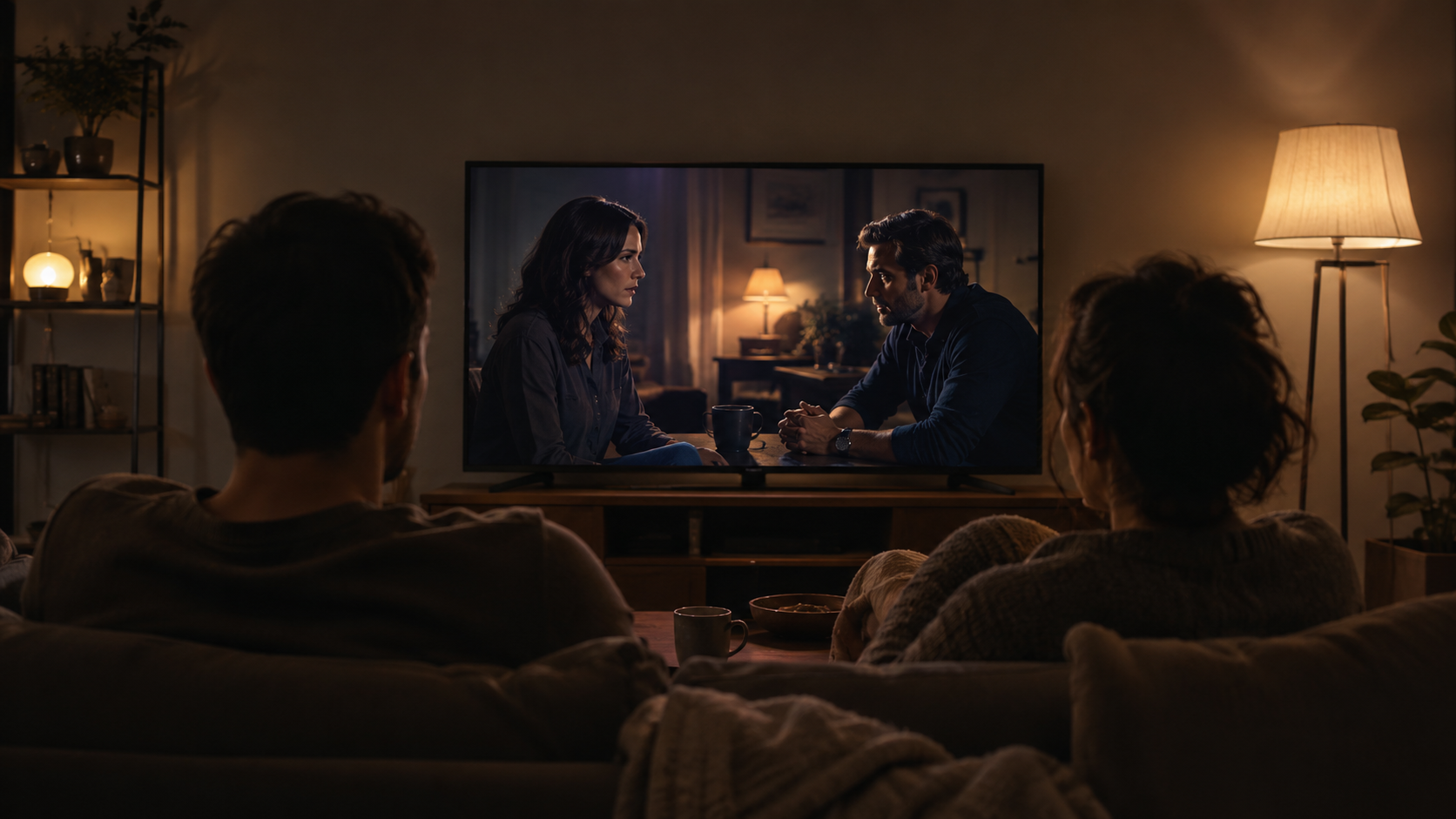
The Quiet Power of Slow-Burn Television

Not every television series needs to move quickly. Some of the most memorable dramas take their time, allowing characters, relationships, and conflicts to develop gradually. Instead of filling every episode with major twists, a slow-burn series often creates interest through small changes, quiet conversations, and tension that grows almost unnoticed.
This approach may require more patience from the audience, but it can also create a stronger emotional reward. When an important confession, betrayal, reunion, or confrontation finally happens, the moment feels meaningful because the story has prepared for it carefully.
The lasting appeal of slow-burn TV dramas and patient storytelling comes from this sense of progression. Viewers are not simply waiting for something dramatic to happen. They are watching characters change in ways that feel believable.
Patient Storytelling Gives Characters Room to Grow
One of the greatest strengths of slow-burn television is the amount of space it gives to character development. A personality does not need to change completely within one episode. Instead, viewers can see small decisions, repeated habits, hidden fears, and personal conflicts slowly shape the character over time.
This makes the journey feel more natural. A guarded person may begin to trust someone through a series of quiet moments. A confident character may slowly reveal insecurity. A relationship may develop through shared experiences rather than an immediate romantic declaration.
When these changes happen gradually, the audience has time to understand them. Viewers can recognize why a character behaves in a certain way and notice the small signs that suggest where the story may be heading.
Small Details Become More Important
Fast-moving shows often depend on large events to maintain excitement. Slow-burn dramas can create tension through details that might seem unimportant at first. A brief look, an unfinished sentence, a change in routine, or an object left in the wrong place can carry meaning.
These details encourage viewers to pay closer attention. Audiences begin to watch not only for what characters say, but also for what they avoid saying. Silence can become part of the story. A calm scene can feel tense because viewers understand the history behind it.
This style of storytelling rewards careful viewing. When an earlier detail becomes important later, the audience feels that the story has been thoughtfully constructed rather than created only to produce a sudden surprise.
Tension Feels Stronger When It Builds Slowly
Tension does not always require action. In many slow-burn dramas, the audience knows that a conflict is coming long before the characters finally face it. The uncertainty of when and how it will happen becomes part of the experience.
A family secret may remain hidden for several episodes. Two characters may avoid discussing an obvious problem. A professional rivalry may grow through small disagreements before becoming open conflict. Each scene adds another layer without immediately resolving the situation.
This gradual buildup can make the eventual turning point more powerful. The audience has spent time understanding what is at risk, so the moment carries emotional weight rather than feeling like an isolated plot twist.
Relationships Feel More Believable
Relationships are often at the center of slow-burn television. Whether the connection involves romance, friendship, family, or rivalry, the story allows people to learn about each other over time.
This can make the chemistry between characters feel more convincing. Trust develops through repeated actions. Conflict grows from differences that have been visible for a while. Emotional closeness feels earned because viewers have seen the steps that led to it.
Slowly developed relationships can also create stronger audience investment. Viewers remember the early conversations, misunderstandings, and shared experiences that shaped the connection. When the relationship changes, the moment feels connected to everything that came before it.
The Audience Becomes Part of the Discovery
Slow-burn dramas often avoid explaining everything immediately. They allow viewers to form opinions, notice patterns, and question what characters truly want. This makes the audience an active participant in the story.
A character may appear honest while hiding an important motive. A peaceful setting may contain signs of deeper conflict. An apparently simple relationship may become more complicated as new information is revealed.
Because the answers arrive gradually, viewers have time to create theories and reconsider earlier scenes. This process can make the series more engaging, especially when the story provides enough clues to make the eventual explanation feel fair.
Gradual Change Can Feel More Emotional
A sudden character transformation can be exciting, but it may also feel unrealistic if the story has not prepared for it. Slow-burn television often handles change differently. It shows how experience, pressure, relationships, and personal choices slowly influence a character.
The idea of gradual character development is especially important in this kind of storytelling. A meaningful arc allows the audience to see where a character began, what challenged them, and how those experiences changed their outlook or behavior.
This process can create strong emotional moments because the audience understands the distance the character has travelled. A small act of courage may feel significant if viewers remember how fearful the person once was. A quiet apology may matter because the character has struggled for a long time to accept responsibility.
Slow Pacing Does Not Mean Nothing Happens
A common misunderstanding is that slow-burn television has no momentum. In reality, the movement is often emotional rather than physical. The story may progress through changing relationships, growing suspicion, personal realizations, or moral pressure.
Each episode should still contribute something. The difference is that the contribution may be subtle. A conversation can change how two characters see each other. A decision can create consequences that appear much later. A quiet discovery can reshape the meaning of earlier events.
When handled well, this pacing does not feel empty. It creates a steady sense that the story is moving toward something important, even when the destination is not yet clear.
Atmosphere Becomes Part of the Story
Slow-burn dramas often use atmosphere to keep viewers engaged. Lighting, locations, sound design, music, and silence can communicate feelings that the dialogue does not explain directly.
A quiet home may feel uncomfortable because of unresolved family tension. An empty street may suggest isolation. A familiar room can feel different after an important secret is revealed. These visual and audio details make the world of the series feel emotionally connected to the characters.
Atmosphere also gives viewers time to absorb a scene. Instead of immediately moving to the next event, the series may allow a reaction, expression, or moment of silence to remain on screen. That pause can sometimes communicate more than a long explanation.
Why Slow-Burn TV Dramas Remain Engaging
Slow-burn TV dramas remain engaging because they trust both the story and the audience. They allow emotions to develop naturally, relationships to change gradually, and conflicts to gain meaning over time.
This kind of television may not provide instant answers, but it can create a deeper connection. Viewers become invested because they have spent time noticing small details, understanding difficult characters, and waiting for moments that feel carefully earned.
For TV Serial News, slow-burn dramas are an important part of modern television coverage. They show that entertainment does not always need constant action or rapid twists. Sometimes, the most powerful stories are the ones that allow tension, emotion, and character growth to unfold at their own pace.