
The Lasting Appeal of Weekly TV Episodes
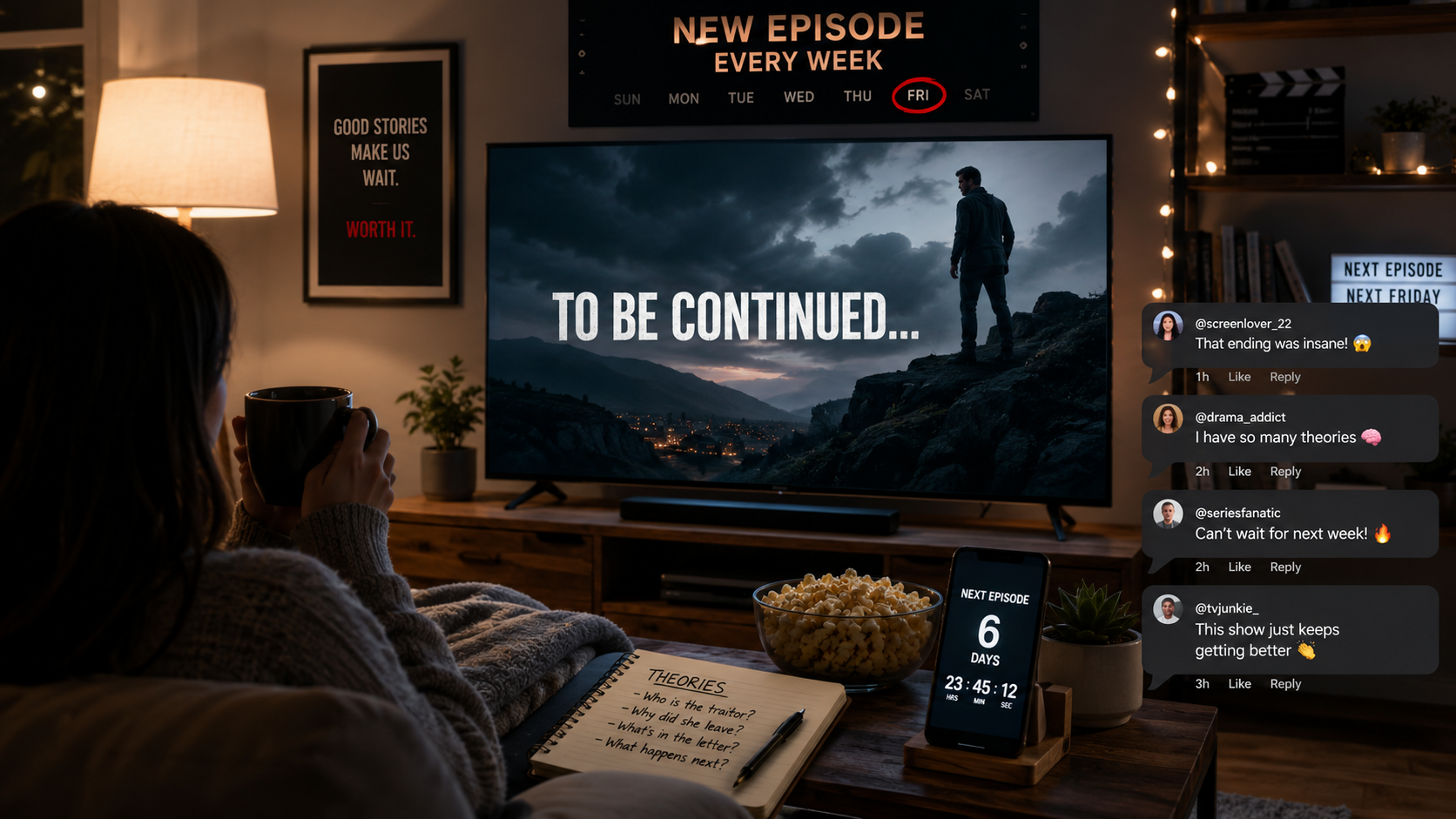
Streaming has changed the way people watch television, but weekly TV episodes still have a special place in modern entertainment. While many viewers enjoy watching several episodes at once, there is still something powerful about waiting for the next chapter of a story. A weekly release gives audiences time to think, react, discuss, and build excitement before the next episode arrives.
This style of watching may feel traditional, but it continues to work because television is not only about finishing a story quickly. For many viewers, a good series becomes part of their routine. They wait for a new episode, talk about what happened, share theories, and follow the emotional journey of the characters over time.
That is why the conversation around weekly TV episodes in the streaming era remains important. It shows that even with on-demand viewing, audiences still enjoy stories that unfold slowly and give them something to look forward to.
Weekly Releases Build Anticipation
One of the biggest strengths of weekly TV episodes is anticipation. When a series releases one episode at a time, viewers have space to wonder what will happen next. A surprising ending, emotional confession, mystery clue, or character decision can stay in the audience’s mind for days.
This waiting period can make a series feel more exciting. Instead of moving immediately to the next episode, viewers spend time thinking about the story. They may replay scenes in their mind, search for hidden details, or discuss possible outcomes with other fans. The story continues outside the episode itself.
Anticipation also helps a series stay visible for a longer time. A show released all at once may become popular quickly, but the conversation can fade just as fast. Weekly releases can keep the discussion alive across several weeks, giving each episode its own moment.
Discussion Becomes Part of the Experience
Weekly episodes encourage viewers to talk. After an episode airs, fans often share reactions, questions, theories, and opinions. They discuss character choices, emotional scenes, plot twists, and possible future conflicts. This kind of conversation can make a series feel bigger than the screen.
For some viewers, the discussion is almost as enjoyable as the episode itself. They like reading different opinions, comparing theories, and seeing how other people understood the same scene. This shared experience can make television feel more social, even when people are watching from different places.
Online discussion has become especially important in modern entertainment. A strong episode can create reactions across social platforms, entertainment websites, and fan communities. When viewers continue talking about a show every week, the series has a better chance of staying relevant.
Characters Have More Time to Grow
Weekly viewing can also make character development feel stronger. When audiences spend several weeks or months following a character, the emotional journey can feel more meaningful. Viewers have time to understand the character’s choices, mistakes, fears, and growth.
A character change that happens slowly may feel more powerful than one that happens too quickly. Weekly episodes allow the audience to sit with each stage of that change. They can see how one decision affects the next and how relationships evolve over time.
This is one reason long-form television remains effective. A series can build emotional depth through repeated moments, small details, and gradual development. According to the broader idea of serialized television storytelling, connected episodes give stories and characters room to develop across a longer structure.
Weekly Episodes Help Avoid Story Fatigue
Binge-watching can be enjoyable, but it can also make some stories feel overwhelming. When viewers watch too many episodes in one sitting, emotional moments may pass too quickly. Important scenes can feel less memorable because the next episode begins almost immediately.
Weekly episodes give viewers a pause. That pause can help each episode feel more complete. A dramatic scene has time to settle. A mystery has time to grow. A character moment has time to be remembered before the story continues.
This slower rhythm can be especially useful for drama, mystery, fantasy, and character-driven shows. These genres often depend on atmosphere, tension, and emotional buildup. Weekly releases allow those elements to breathe.
The Streaming Era Still Needs Shared Moments
Streaming gives audiences control, but shared viewing moments still matter. When a new episode arrives on a certain day, many viewers watch it around the same time. This creates a common entertainment moment, even if people are watching from different homes, cities, or countries.
Shared moments help build community. Fans know when others are watching, reacting, and discussing the same story. This can make a series feel more active and alive. It also gives each episode a stronger cultural presence.
For entertainment coverage, weekly episodes create more opportunities for discussion. Each episode can inspire reviews, character analysis, fan reactions, soundtrack discussions, and predictions for the next part of the story.
Why Weekly TV Episodes Still Matter
Weekly TV episodes continue to matter because they offer something different from instant viewing. They create patience, anticipation, discussion, and emotional connection. They give audiences time to care about the story and allow each episode to become part of a larger conversation.
The streaming era has given viewers more choices than ever, but choice does not always mean speed. Sometimes, a story becomes more enjoyable when it unfolds slowly. Waiting for the next episode can make the experience feel richer, more social, and more memorable.
For TV Serial News, this topic fits naturally into modern entertainment coverage. Weekly releases show how television habits continue to evolve while still keeping some of the old excitement that made TV series so powerful in the first place.